
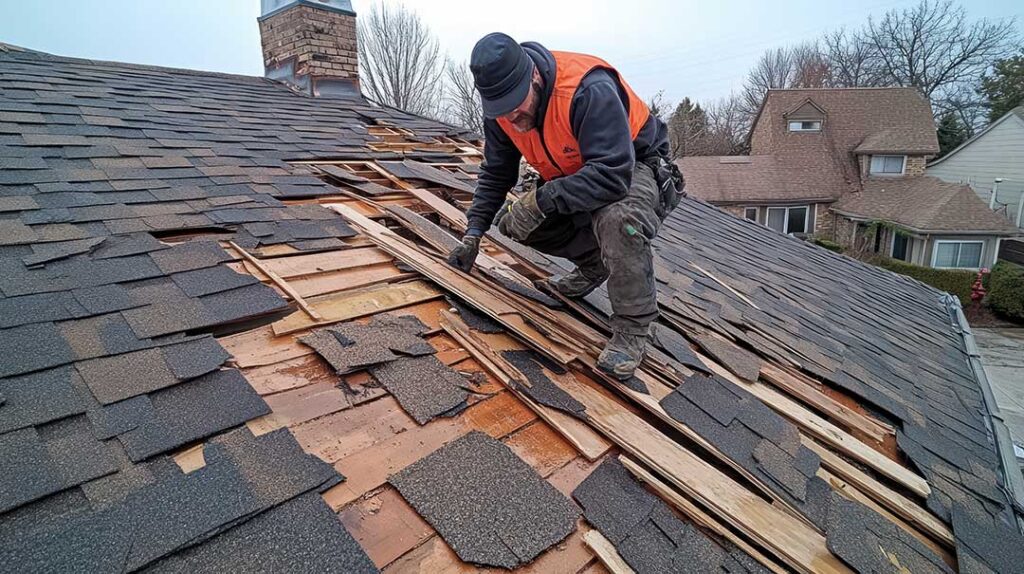
What happens during a professional roof inspection?
A professional roof inspection is a systematic review of a home’s roofing system, not just a quick look at the shingles. In Weedsport, NY, an inspection commonly includes the roof surface, flashing, drainage areas, attic space, ventilation, and signs of moisture or structural movement.
The purpose is to identify current damage, locate early warning signs, and distinguish ordinary aging from problems that require prompt attention. A thorough inspection may take more time on older homes, steep roofs, complex rooflines, or properties with additions and attached garages.
An inspection usually includes several stages:
- An exterior review from the ground
- A closer examination of the roof surface
- Inspection of flashing, penetrations, and drainage
- An attic or interior review when accessible
- Documentation of findings and recommended next steps
The inspector may also ask about past leaks, repairs, ice buildup, unusual ceiling stains, or changes noticed after heavy rain and wind.
Does the inspection begin on the roof?
Usually, the inspection begins from the ground. This allows the inspector to evaluate the roof’s overall shape and identify areas that may need closer attention before using a ladder.
From the ground, an inspector may look for:
- Uneven roof planes or sagging areas
- Missing, lifted, cracked, or curled shingles
- Excessive granules in gutters or near downspouts
- Damaged chimney caps, vents, or roof-mounted equipment
- Trees or branches that could rub against the roof
- Gutters that appear loose, clogged, or poorly aligned
This first review is also a safety step. Snow, ice, rain, steep slopes, brittle roofing materials, or unstable surfaces can make a full walk-on inspection unsafe. In those conditions, the roof may be examined from ladders, roof edges, attic spaces, or other safe viewing points instead.
What is checked on the roof surface?
The roof surface provides clues about age, weather exposure, installation quality, and active deterioration. The inspector will look for damage that may not be visible from the ground.
Common items include shingle condition, exposed fasteners, loose materials, open seams, damaged ridge caps, and areas where water may collect. On asphalt-shingle roofs, the loss of protective granules can indicate wear, especially around valleys, roof edges, and frequently exposed slopes.
The inspector may also check whether shingles are lying flat and whether different sections of the roof appear to have been repaired at different times. Patchwork is not automatically a problem, but it can indicate previous leaks or areas that deserve closer review.
In a region with freezing temperatures, heavy precipitation, and repeated freeze-thaw cycles, small openings can become more significant over time. Water may enter through a narrow gap, freeze, expand, and gradually worsen the original defect.
Why are flashing and roof penetrations inspected closely?
Flashing is the material installed around transitions and openings to direct water away from vulnerable areas. It is commonly found around chimneys, skylights, walls, valleys, vents, and roof edges.
Flashing deserves careful attention because many roof leaks begin at transitions rather than in the middle of an otherwise intact shingle field. An inspection may look for:
- Rusted, bent, loose, or missing metal
- Dried or cracked sealant
- Gaps where roofing meets a wall
- Improper overlaps
- Damaged flashing around chimneys or vent pipes
- Signs that water has traveled beneath the flashing
Roof penetrations, including plumbing vents and exhaust vents, are also reviewed. The vent itself may appear intact while the surrounding boot or seal has deteriorated. That type of defect can allow slow moisture entry that is difficult to notice from inside the living space.
What does the inspector look for in gutters and drainage areas?
A roof inspection includes more than the sloped surfaces. Water must move off the roof and away from the house, so gutters, downspouts, valleys, and lower roof edges are important parts of the assessment.
The inspector may note leaves, shingle granules, standing water, sagging gutters, separated joints, or downspouts that discharge too close to the foundation. Blocked drainage can contribute to overflow, damaged fascia, wet siding, basement moisture, and deterioration along roof edges.
Valleys receive particular attention because they collect runoff from multiple roof sections. Damaged valley materials, accumulated debris, or poor water flow can create leaks even when nearby shingles look reasonably sound.
Is the attic inspection necessary?
An attic inspection can reveal problems that are not visible from the outside. If safe and accessible, the inspector may examine the underside of the roof deck, insulation, ventilation paths, rafters, and areas near penetrations.
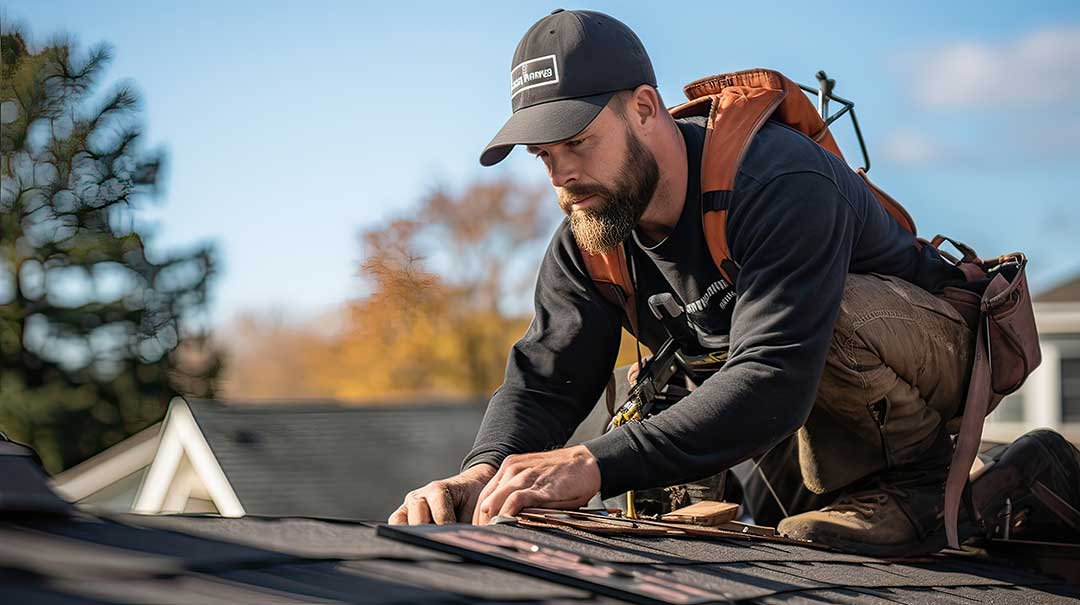
Signs commonly checked in the attic include:
- Dark stains or water marks on wood
- Damp insulation or compressed insulation
- Mold-like growth caused by excess moisture
- Rusted fasteners
- Daylight visible through roof openings
- Frost or condensation during cold weather
- Inadequate intake or exhaust ventilation
- Sagging or damaged roof decking
Not every attic stain indicates an active leak. A mark may be old and dry, or it may result from condensation rather than rainwater. The inspector should explain whether the evidence appears current, historical, or inconclusive.
Ventilation is also significant. Poor airflow can trap heat and moisture, contributing to premature roofing wear, winter condensation, and ice buildup along eaves. Ventilation problems should not be confused with a roof leak, although both conditions can occur together.
Will the inspection identify structural problems?
A roof inspection can identify visible signs of structural concern, but it is not always a complete structural engineering evaluation. The inspector may observe sagging roof planes, deflected rafters, damaged decking, or movement around roof-to-wall connections.
These findings may be associated with long-term moisture exposure, excessive roof layers, construction changes, snow loading, or deterioration of supporting materials. If a serious structural concern is suspected, additional evaluation may be needed before repairs or replacement decisions are made.
A small ceiling stain and a visibly sagging roof section should not be treated as equivalent problems. The first may involve a localized flashing defect. The second may require urgent attention because it can affect the roof’s ability to support its own weight and resist weather.
What should a homeowner expect in the inspection report?
A useful report should explain what was inspected, what was inaccessible, and which findings deserve attention. Photos are especially helpful when they show the location and nature of a defect rather than simply labeling it as “damaged.”
Findings are often grouped by urgency:
- Immediate safety or active water concerns: Conditions that may allow ongoing damage or create a hazard
- Maintenance items: Issues that should be corrected to prevent deterioration
- Monitoring items: Areas that are aging or changing but do not yet require immediate work
- Informational observations: Normal wear, construction features, or limitations of the inspection
The report should also identify limitations. Wet weather, snow cover, unsafe roof conditions, locked attic access, dense vegetation, or concealed materials can prevent a complete inspection. A careful report distinguishes between what was observed and what could not be confirmed.
When is a roof inspection especially useful?
An inspection is particularly useful after a major windstorm, hail event, fallen branch, repeated leak, or period of ice buildup. It can also help before buying or selling a home, after completing a roof repair, or when an older roof begins showing signs of uneven wear.
For local households, seasonal timing can matter. A roof viewed after winter may show lifted shingles, damaged flashing, clogged drainage, or evidence of ice-related stress. A later inspection after heavy summer rainfall may reveal leaks that were not apparent during dry conditions.
A professional inspection cannot prevent every roofing problem, and it cannot guarantee that hidden defects do not exist. Its value is in creating a clearer picture of the roof’s present condition, separating urgent concerns from routine maintenance, and documenting issues before they become more disruptive or expensive.
