
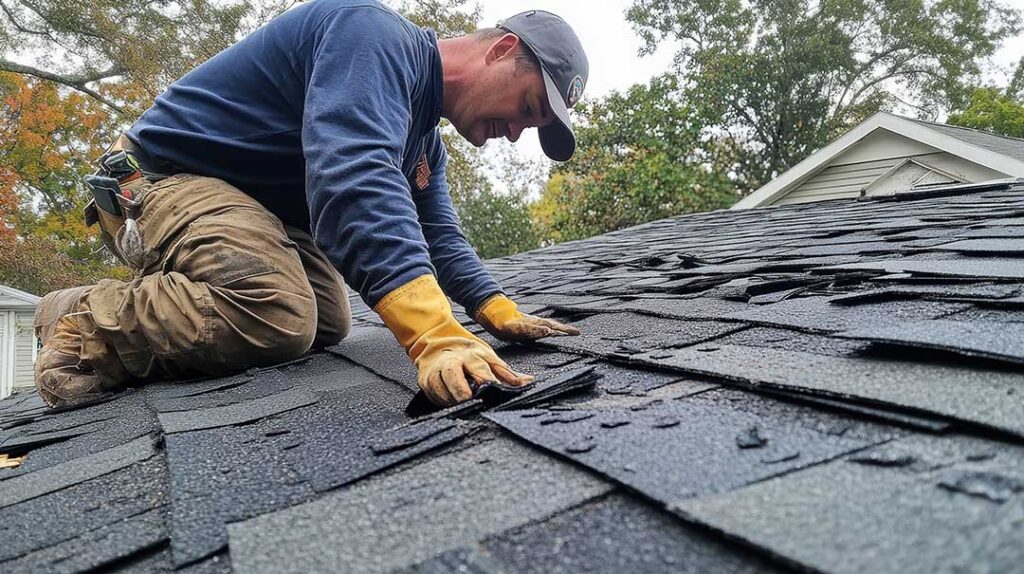
A roof rarely fails all at once. In most cases, replacement becomes necessary after years of weather exposure, repeated repairs, or gradual deterioration that reduces the roof’s ability to shed water. For homeowners in Weedsport, NY, the decision often depends on the roof’s age, visible condition, leak history, ventilation, and how well it has handled winter weather.
How long does a roof usually last?
A typical asphalt-shingle roof lasts about 15 to 30 years, although actual service life varies. The quality of the materials, installation practices, attic ventilation, sun exposure, moisture levels, and maintenance all affect how long the roof remains dependable.
Roofs in the community must withstand several seasonal stresses:
- Snow and ice during winter
- Freeze-thaw cycles that can open small cracks
- Heavy rain and wind
- Damp conditions that encourage moss or algae growth
- Falling branches and debris
- Summer heat and ultraviolet exposure
A roof that is approaching the end of its expected lifespan does not necessarily need immediate replacement. However, age becomes more significant when combined with curling shingles, recurring leaks, or widespread granule loss.
What are the clearest signs that a roof needs replacement?
The strongest signs are widespread rather than isolated. A single damaged shingle may be repairable, while deterioration across multiple roof sections often indicates that replacement is the more practical long-term decision.
Look for:
- Shingles that curl, buckle, crack, or appear unusually brittle
- Missing shingles or exposed underlayment
- Bald areas where protective granules have worn away
- Sagging along the roof surface or roofline
- Dark streaks, moss, or moisture-related discoloration
- Daylight visible through the attic roof deck
- Water stains on ceilings, walls, or upper-floor insulation
- Repeated leaks in different locations
- Flashing that is loose, corroded, or separated around roof openings
Granules commonly collect in gutters as shingles age. A small amount may be normal, especially after installation, but large quantities from an older roof can signal significant surface wear.
Sagging is more serious than cosmetic aging. It can indicate problems with the decking, framing, long-term moisture exposure, or excessive load. A sagging roof should be treated as a safety concern rather than simply a maintenance issue.
Does a roof need replacement if it has only one leak?
Not always. A single leak may result from damaged flashing, a puncture, a poorly sealed vent, or one missing shingle. If the rest of the roof is relatively young and in good condition, a targeted repair may be reasonable.
The difficulty is that water does not always appear directly below the entry point. It can travel along roof decking, rafters, insulation, or wall cavities before becoming visible inside the house. For that reason, a ceiling stain does not identify the exact source by itself.
Replacement becomes more likely when:
- The roof is near or beyond its expected lifespan
- Leaks have occurred more than once
- Repairs are needed in several locations
- Shingles are brittle or losing large areas of granules
- Water has damaged the decking or attic structure
- A previous repair stopped the symptom but not the underlying problem
Painting over a ceiling stain may improve appearance, but it does not resolve the moisture source. The area should be monitored after rain or snowmelt, particularly if staining returns.
How does winter weather affect roof condition?
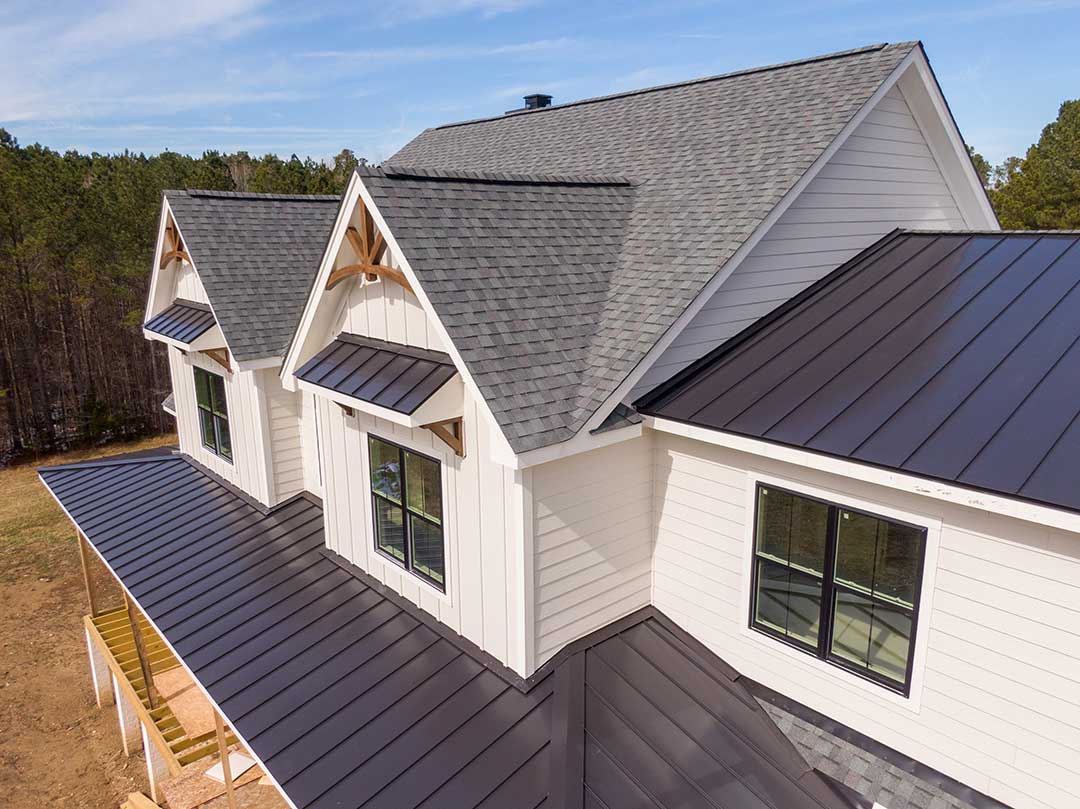
Winter damage may not be obvious until spring. Snow, ice, wind, and repeated freezing and thawing can expose weaknesses that were not visible during warmer months.
Ice dams can form when heat escapes unevenly through the attic and melts snow on part of the roof. The water may refreeze near colder eaves, creating a barrier that allows moisture to move beneath shingles. Not every roof with an ice dam needs replacement, but repeated ice-dam problems may point to ventilation, insulation, air-sealing, or roof-design issues that should be corrected.
Heavy snow can also add considerable weight, especially when wet. Most properly built roofs are designed for local snow conditions, but sagging, cracking sounds, new interior leaks, or visibly distorted rooflines deserve prompt attention.
Strong winds may lift shingle edges without removing the entire shingle. These areas can allow water underneath during later storms. A roof may look acceptable from the ground while still having wind-related damage.
Can moss or algae growth mean the roof must be replaced?
Moss and algae do not automatically mean replacement is required. Algae often creates dark streaks and may mainly affect appearance. Moss is more concerning because it can hold moisture against shingles, lift edges, and contribute to deterioration over time.
The correct response depends on the roof’s age and condition. Removing moss aggressively can damage shingles, especially if a pressure washer or stiff brush is used. Trimming overhanging branches, improving sunlight and airflow, and using roof-safe cleaning methods can reduce future growth.
If moss is widespread across an older roof, it may be one sign of broader moisture-related aging rather than the sole reason for replacement.
Is it better to replace a roof before it starts leaking?
Sometimes, yes. Waiting for an active leak can allow water to damage insulation, drywall, sheathing, framing, and interior finishes. Planned replacement also makes it easier to address ventilation, flashing, and decking before severe weather creates an emergency.
Still, replacement should not be based on age alone. A roof that is 20 years old may be in better condition than a younger roof that was exposed to major wind damage or has persistent ventilation problems.
A practical assessment considers:
1. The roof’s installation date, if known
2. The condition of shingles and flashing
3. The number and pattern of repairs
4. Attic moisture and ventilation
5. The condition of the roof decking
6. Whether the roof has experienced storm or ice damage
7. The likely cost of continued repairs compared with replacement
What should homeowners check from inside the attic?
The attic can reveal problems that are difficult to see from the ground. On a dry day, look for water stains, damp insulation, rusty fasteners, mold-like growth, or daylight entering through the roof deck.
Also check whether bathroom or kitchen exhaust is improperly releasing moisture into the attic. Excess indoor humidity can cause condensation that resembles a roof leak. Frost on nails or roof framing in winter is another warning sign of poor air sealing or ventilation.
Attic inspection should be done only where footing is secure. Roof decking may be weakened by moisture, and walking on insulation or ceiling drywall can cause injury or property damage.
What if the roof is damaged after a storm?
After high winds or falling branches, inspect the ground for shingle fragments, flashing, or pieces of roofing material. From a safe location, look for missing shingles, exposed dark patches, bent metal, or visible openings.
Do not climb onto a wet, icy, or steep roof. Storm damage can also involve electrical hazards from downed lines or damaged equipment. Emergency measures such as covering an opening to limit interior water entry may be appropriate only when they can be completed safely from the ground or a secure location.
Insurance decisions depend on the policy, the cause of damage, documentation, and the timing of the loss. Photographs, dates, and records of previous repairs can help establish what changed after a storm.
How can a homeowner make a sound replacement decision?
The most reliable approach is to separate urgent structural or water-entry problems from normal aging. A roof with active leaks, sagging, exposed decking, or widespread shingle failure should receive prompt attention. A roof that is simply older but dry and intact may allow time for careful planning.
A written assessment should identify whether the concern involves shingles, flashing, ventilation, decking, gutters, or structural framing. Replacing shingles without correcting underlying moisture or ventilation problems can shorten the life of the new roof.
For residents, the goal is not to replace a roof at the first sign of age or to wait until damage spreads throughout the house. The right timing is usually the point at which deterioration has become widespread enough that repeated repairs no longer provide dependable protection, while the roof can still be replaced before a major leak or winter emergency develops.
