
Does the roof affect a home’s energy efficiency?
Yes. A roof influences how much heat enters or leaves a home, especially through the attic. In Weedsport, NY, roofs face a wide range of conditions, including cold winters, snow, wind, summer humidity, and strong sunlight. Those seasonal changes can make attic insulation, ventilation, air sealing, and roof color more noticeable on household energy use.
The roof itself is only one part of the system. Energy performance depends on how the roof covering, underlayment, attic insulation, ventilation, air leaks, and ceiling work together.
A roof may appear to be in good condition while the attic allows substantial heat loss. Conversely, adding insulation without addressing moisture or ventilation problems can create new issues. The most useful approach is to look at the entire roof-and-attic assembly.
Why does attic insulation matter so much?
Attic insulation slows the movement of heat between the living space and the outdoors. During winter, it helps keep heated air inside. During summer, it reduces the amount of heat moving down from the roof into the rooms below.
Many older homes have insulation that is uneven, compressed, damp, or thinner than current standards. Gaps often occur around attic hatches, chimneys, plumbing penetrations, recessed lights, and electrical wiring. Even a generally well-insulated attic can perform poorly if warm indoor air escapes through these openings.
Signs of an attic insulation or air-sealing problem may include:
- Cold ceilings or noticeable drafts during winter
- Ice buildup along roof edges after snow
- Uneven temperatures between rooms
- High heating or cooling use without an obvious explanation
- Frost or dampness on the underside of the roof deck
- A roof surface that melts snow in irregular patches
Adding insulation is not always the first step. Air leaks should generally be addressed before new insulation is installed, because escaping household air can carry moisture into the attic.
What is the connection between roof ventilation and energy use?
Proper ventilation helps control heat and moisture in the attic. It does not replace insulation, and it does not directly cool the living space like mechanical air conditioning. Its main purpose is to support a more stable roof environment.
A balanced ventilation system typically allows air to enter near the lower roof edges and leave near the upper portion of the roof. This movement can help reduce excessive attic heat in summer and moisture accumulation in winter.
Ventilation problems can occur when:
- Insulation blocks airflow at the roof edges
- Exhaust fans discharge into the attic instead of outdoors
- Openings are missing, undersized, or poorly distributed
- Existing vents are covered by debris, snow, or nesting material
- Air leaks from the home add moisture to the attic
More ventilation is not automatically better. Adding openings without considering the whole system can allow wind-driven snow or rain to enter, or it can interfere with the intended airflow pattern. The goal is balanced, protected ventilation rather than the largest possible number of vents.
Can roof color change indoor temperatures?
Roof color can affect how much solar heat the roof absorbs. Darker surfaces generally absorb more sunlight, while lighter or reflective surfaces may remain cooler under strong summer sun. The effect is usually more noticeable in homes with low attic insulation or limited ventilation.
For homes in this region, winter performance often receives more attention because heating demand is substantial. However, summer heat can still affect upper-floor comfort, especially in rooms directly beneath the roof.
Roof color should not be treated as a substitute for insulation and air sealing. A light-colored roof may reduce some solar heat gain, but it cannot correct large attic air leaks, inadequate insulation, moisture damage, or poor ventilation.
Does a new roof automatically improve energy efficiency?
Not necessarily. Replacing worn shingles can resolve leaks and improve weather resistance, but a new roof covering alone may have little effect on heating and cooling costs if the attic system remains unchanged.
A roof replacement may provide an opportunity to inspect:
- Roof-deck condition
- Underlayment and flashing
- Attic insulation levels
- Ventilation paths
- Areas where warm air escapes into the attic
- Damage caused by long-term moisture or ice buildup
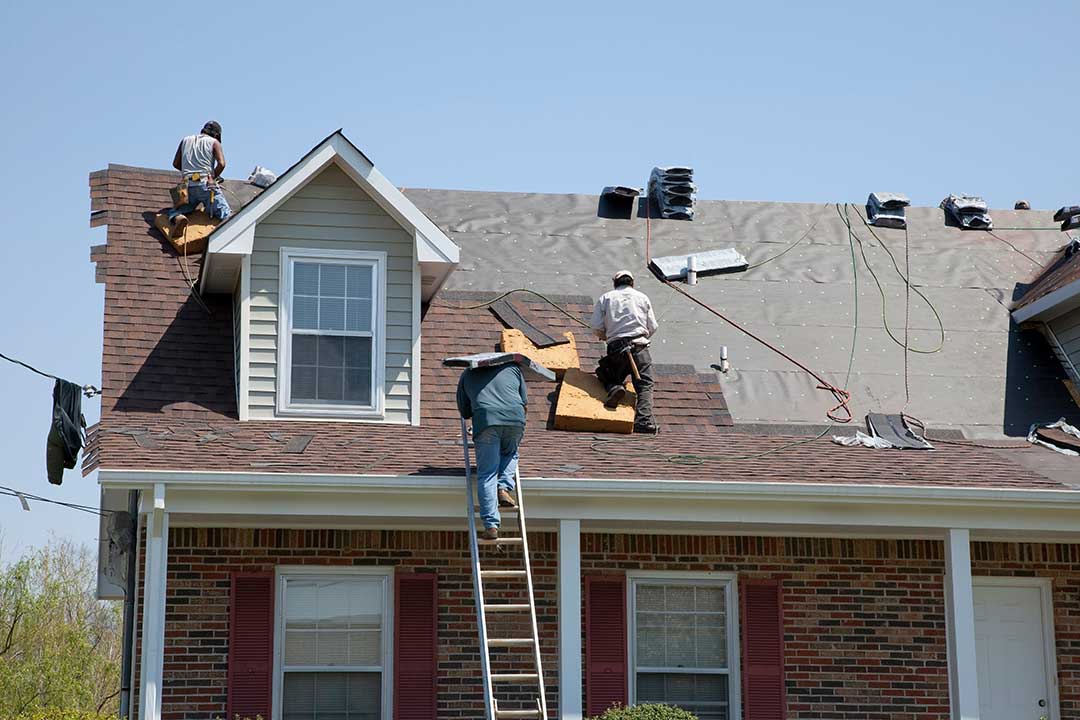
These elements should be considered separately from the roof covering. A roof can be durable and watertight while the home still loses heat through the attic floor.
Roof replacement also requires attention to existing conditions. Installing new materials over a poorly ventilated or moisture-prone assembly can conceal problems rather than solve them.
How do snow and ice relate to energy efficiency?
Ice dams are often linked to uneven roof temperatures. Heat escaping from the living space can warm portions of the roof, causing snow to melt. Water may then refreeze near colder roof edges, where it can form a ridge of ice.
Ice dams are not caused only by heavy snow or low temperatures. Common contributing factors include:
- Inadequate attic insulation
- Air leakage around ceiling penetrations
- Blocked or poorly arranged ventilation
- Warm air entering the attic from the home
- Complex roof shapes that collect snow in certain areas
Removing ice from the roof may address an immediate hazard, but it does not correct the heat-loss pattern that caused the problem. Chopping ice with tools can damage roofing materials and create fall hazards. Safer evaluation and long-term correction focus on insulation, air sealing, ventilation, drainage, and roof condition.
What roof-related improvements usually provide the greatest benefit?
The most effective improvement depends on the home’s existing condition. In many houses, attic air sealing and adequate insulation provide more energy benefit than changing roofing materials.
A practical evaluation often considers the following order:
1. Look for moisture problems. Roof leaks, condensation, staining, and damp insulation should be addressed before adding materials.
2. Check attic insulation. Insulation should be continuous, dry, and evenly distributed.
3. Identify air leaks. Focus on attic hatches, wiring holes, plumbing penetrations, duct openings, and ceiling fixtures.
4. Confirm ventilation paths. Insulation should not block intended airflow at the roof edges.
5. Assess the roof covering. Missing shingles, damaged flashing, exposed underlayment, and deteriorated materials affect durability and moisture control.
6. Consider solar exposure and roof color. These factors may matter more for upper-floor summer comfort than for winter heating loss.
Energy improvements should also account for indoor air quality. Sealing the attic can reduce uncontrolled airflow, but homes still need appropriate ventilation for cooking, bathing, combustion appliances, and general moisture control.
Are energy-efficient roofing materials worth considering?
Some roofing materials are designed to reflect more sunlight or retain less heat. These features can help in hot, sunny conditions, particularly in buildings with significant cooling demand. Their value varies with roof orientation, shade, attic design, insulation, climate, and material cost.
For local homes, durability and moisture control remain central concerns. A material that performs well in summer may not address winter heat loss if the attic floor is poorly insulated. Likewise, a highly reflective roof cannot compensate for water intrusion or inadequate flashing.
Material decisions should be based on the complete roof assembly and the home’s long-term maintenance needs, not on color or surface temperature alone.
How can residents identify an energy-related roof problem?
Begin with observations rather than assumptions. Compare room temperatures, look for signs of moisture in the attic, and inspect whether insulation appears continuous and dry. During cold weather, note whether snow melts unevenly or ice forms repeatedly in the same locations.
Useful information may also come from energy bills, indoor humidity readings, and infrared or professional diagnostic testing. These tools can help distinguish among insulation gaps, air leakage, duct problems, window issues, and heating-system inefficiency.
Roof-related energy performance is usually improved through several modest corrections working together: dry insulation, careful air sealing, balanced ventilation, sound flashing, and a roof covering suited to the building. Understanding those connections helps area households make decisions based on building performance rather than appearance alone.
