
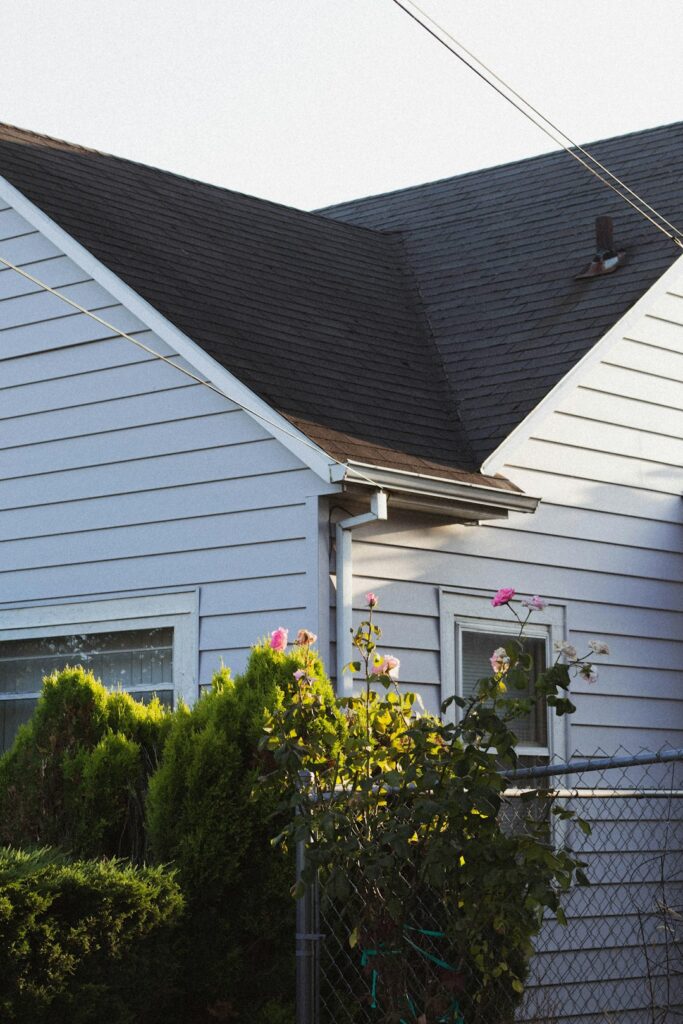
Storm preparation in Weedsport, NY, is not limited to coastal communities. Remnants of tropical systems can bring strong wind, heavy rain, saturated ground, falling branches, and extended power outages to inland New York. A roof that appears sound during ordinary weather may still have loose shingles, blocked drainage, or weak exterior connections that become serious problems during a major storm.
The Atlantic hurricane season officially runs from June 1 through November 30, although tropical systems and their remnants can affect the region outside those dates. Preparing before a storm is forecast gives homeowners more time to identify problems safely and make practical corrections.
What should be checked on a roof before hurricane season?
The first step is a careful visual inspection from the ground and, when safe, from an attic or accessible roof area. Look for conditions that could allow wind or water to enter the roof system.
From the ground, check for:
- Missing, cracked, curled, or lifted shingles
- Exposed fasteners or patches that appear loose
- Sagging roof lines
- Damaged flashing around chimneys, vents, skylights, and roof edges
- Moss, heavy debris, or branches resting on the roof
- Gutters that pull away from the fascia
- Downspouts that are disconnected or draining beside the foundation
Do not climb onto a wet, steep, icy, or visibly damaged roof. A pair of binoculars can reveal many problems without creating a fall risk. Roof surfaces can also become dangerously slippery after rain, even when the slope looks modest.
Older homes and houses with several roof additions deserve extra attention because transitions between roof sections, valleys, and flashing details may be more vulnerable to wind-driven rain.
How do gutters and downspouts protect a home during a storm?
Clean gutters and properly connected downspouts help move intense rainfall away from the roof and foundation. They do not make a roof windproof, but they reduce the chance that water will back up beneath roofing materials or collect beside the house.
Before storm season:
- Remove leaves, sediment, sticks, and granules from gutters.
- Check that gutters slope toward their outlets.
- Reattach loose sections and replace damaged hangers.
- Make sure downspouts discharge several feet away from the foundation when possible.
- Clear splash blocks, underground drain outlets, and nearby surface drainage paths.
- Remove debris from roof valleys where water naturally concentrates.
A clogged gutter can overflow behind the fascia or along exterior walls. During a prolonged rain event, that moisture may reach attic insulation, wall cavities, ceilings, or basement areas.
In neighborhoods with mature trees, gutters may need to be checked more than once each year. A cleaning completed in early summer may not be enough after leaves and small branches accumulate later in the season.
What roof problems create the greatest risk from high winds?
Wind often causes damage by lifting an already weakened edge or exposing a small opening. Loose shingles at eaves, rakes, ridges, and roof penetrations are particularly concerning because these areas experience strong airflow and changing pressure.
Pay close attention to:
- Shingles with missing adhesive strips
- Loose ridge caps
- Deteriorated roofing cement or sealant
- Unsecured chimney flashing
- Loose vent covers
- Damaged soffits and fascia
- Unsealed openings around pipes, cables, and other penetrations
A common misconception is that only very old roofs require preparation. A relatively newer roof can still suffer damage if a shingle was improperly fastened, if flashing has separated, or if wind exposes a small construction defect.
Do not simply add roofing cement over every suspicious area. Adhesive may temporarily hold a loose shingle but can also conceal a larger problem or interfere with proper repairs. Any repair should match the roofing system and be completed under suitable weather conditions.
How can trees and outdoor objects damage a roof?
Branches and unsecured objects are frequent sources of roof damage during high winds. A healthy tree can lose limbs when soil is saturated or when gusts move the canopy suddenly.
Inspect trees near the house for:
- Dead branches
- Cracked limbs
- Limbs resting on the roof
- Trunks leaning toward the structure
- Branches touching roofing, siding, utility lines, or gutters

Remove loose outdoor items before a storm approaches. Patio furniture, ladders, bins, tools, umbrellas, planters, decorations, and small sheds can become airborne or strike the roof, siding, windows, or vehicles.
Tree work near power lines or large elevated branches can be hazardous. It should not be attempted by someone standing on a roof or using unstable equipment.
Should attic spaces be inspected before a hurricane?
Yes. An attic inspection can reveal early signs of water entry that are not yet visible on ceilings or walls. Use a flashlight and look for:
- Darkened roof sheathing
- Damp insulation
- Water stains around vents or chimneys
- Daylight visible through the roof deck
- Rusted nails or fasteners
- Mold-like growth or musty odors
- Compressed or displaced insulation
Ventilation openings should remain clear, but they should not allow rain to enter freely. Bathroom and kitchen exhaust fans should discharge outdoors rather than into the attic. Excess moisture from indoor air can weaken wood and encourage mold growth over time, making storm-related leaks more damaging.
If a leak is discovered, place a container under active dripping only if doing so is safe. Avoid touching wet electrical fixtures, wiring, or insulation.
What should be done when a hurricane or tropical storm is approaching?
Last-minute preparation should focus on securing the property rather than climbing onto the roof. Finish any roof work well before strong winds or heavy rain arrive.
Before conditions deteriorate:
- Bring loose objects indoors or secure them according to their design.
- Close and secure garage doors, exterior doors, and windows.
- Move vehicles away from trees when practical.
- Clear gutters and downspouts of new debris.
- Photograph the roof and exterior for personal records.
- Store important insurance and property documents in a waterproof container.
- Charge phones, flashlights, backup batteries, and medical equipment.
- Keep tarps and basic cleanup supplies available, but do not attempt emergency roof work during the storm.
Do not place a tarp over a roof during high winds. A temporary covering can become airborne, cause additional damage, or put someone at risk. If water enters the home, limit the spread indoors and follow local emergency guidance.
What should homeowners do after the storm?
Wait until winds have subsided and authorities indicate that travel and outdoor activity are reasonably safe. Avoid walking beneath damaged trees, near downed utility lines, or beside unstable roof edges.
From the ground, look for missing shingles, displaced flashing, sagging gutters, fallen branches, and visible openings. Inside, check ceilings, attic areas, and upper walls for new stains or dripping.
Photograph damage before cleanup when possible. Keep receipts for emergency materials and document the date and apparent cause of the damage. If the roof has structural damage, exposed decking, electrical hazards, or a large active leak, roof access should be left to trained personnel with appropriate safety equipment.
Preparation cannot prevent every storm loss, but it can reduce avoidable problems: blocked drainage, loose exterior materials, neglected tree hazards, and small roof defects that become much larger under wind and rain.
